
Awake at 3am. Foggy by 10. Flooding by 3. Furious by 6. Yes, it’s perimenopause, but it’s not four (or 10!) separate problems. It’s one pattern, and it needs one science-backed health plan made just for you.
Your symptoms are connected across the four metabolic shifts of perimenopause. I use functional medicine to reveal the root causes of your pattern and give you a plan so you can sleep deeply, think clearly and feel better than you have in years.

Sandra IshkanesFunctional medicine practitioner · BSc · MA · DipIONBrighton, and online worldwide
10+ years
helping women successfully navigate peri/menopause without HRT
80 biomarkers
analysed to catch the hormonal shifts standard GP tests miss
Root cause
care, not symptom management
As featured in






Tired of treating ten different symptoms as ten separate problems?
As a peri/menopausal woman you are not a faulty younger woman; you are running a completely different, highly intelligent biological design - and this design needs a different approach.
Standard medicine treats you like a collection of broken, unrelated parts. But your body doesn’t work in isolated silos.
You are navigating a profound, evolutionary transition, and every single system in your body is talking to every other.
As a molecular biologist, I don't see isolated symptoms - I see an interconnected web.
We look at how all your systems are interacting at a cellular level.
Instead of chasing a dozen separate fires, we look at the exact road your body is travelling.
I look at your health through a different lens.
Hi, I'm Sandra Ishkanes
Functional medicine menopause specialist
BSc · MA · DipION · ANP MEMBER
I don't look at peri/menopause as an "oestrogen deficiency disease" to be patched over with a generic prescription. I look at it as a complex, evolutionary shift that your body is trying to navigate while under the strain of modern life.
As a molecular biologist, social anthropologist, and practitioner with 10+ years in clinical practice, my background changes everything about how we find your relief.
We don't manage 'aging'. We optimise your biology so you can finally feel like yourself again.
Perimenopause is not a random chaotic breakdown.
It is a transition that takes you through 2 hormonal phases and 4 metabolic shifts. That's why everything changes—from how you sleep to how you think.
This complicated transition is built on foundations like nutrition, blood sugar, stress, sleep, and liver detoxification. When these foundations are under strain, your symptoms will flare.
1 of 4Early perimenopause
Progesterone shift
Reclaim deep, uninterrupted sleep and a calm, focused mind by clearing the internal hormonal bottleneck.
Oestrogen spikes up to 3 x higher and progesterone crashes as ovulation becomes unreliable. It starts in your late 30s or early 40s, while your periods are regular and get shorter.
- Heavy and flooding periods
- Rage and irritability
- Breast tenderness and bloating
- Cyclical anxiety and 3am waking
2 of 4Late perimenopause and menopause
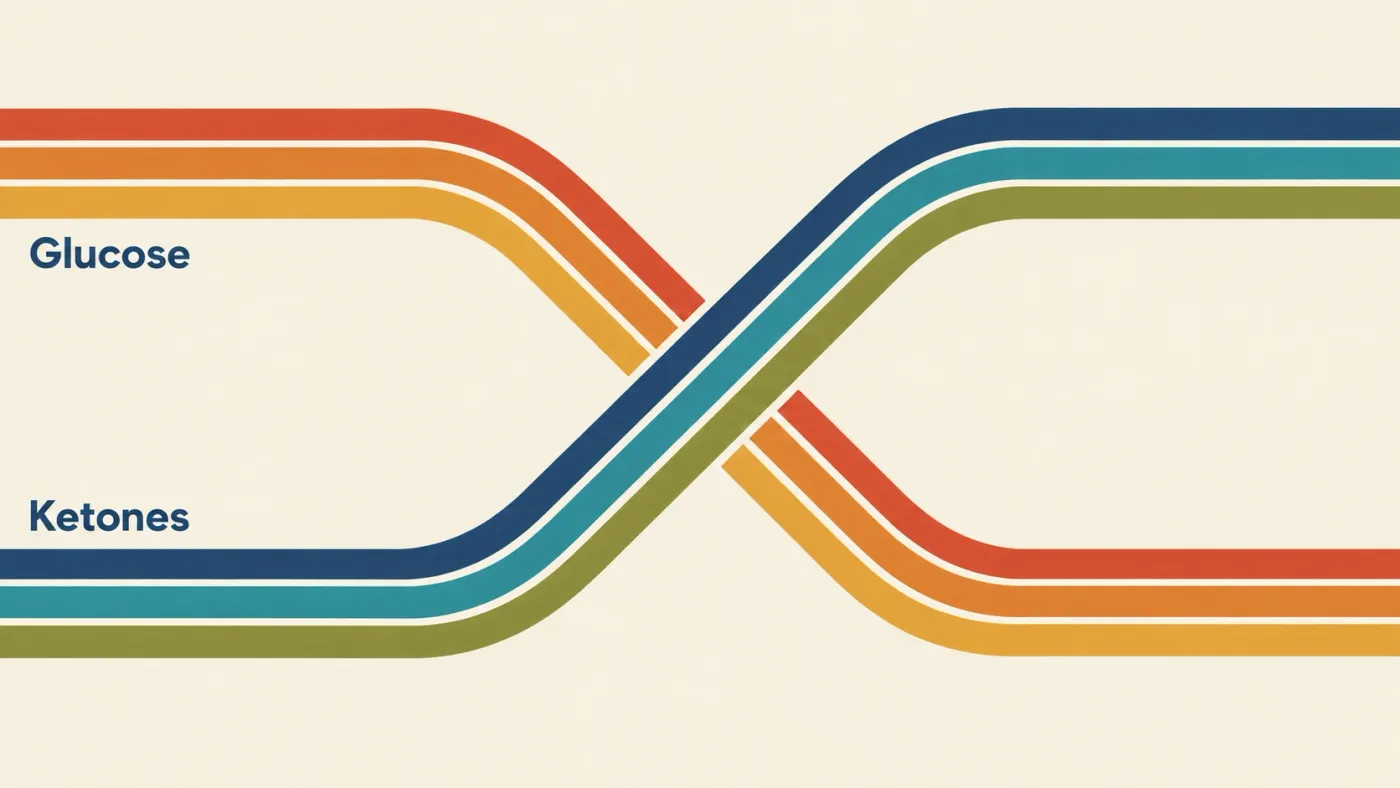
Energy shift
Reverse heavy brain fog, melt away stubborn weight, and end afternoon energy crashes by coaching your brain to burn fat cleanly for fuel.
As ovarian oestrogen falls, your brain has to switch fuel from glucose to ketones. A modern, carb-heavy diet keeps that switch from happening.
- Hot flushes and night sweats
- Brain fog
- Palpitations, anxiety and low mood
- Fatigue and weight gain
3 of 4Late perimenopause and menopause
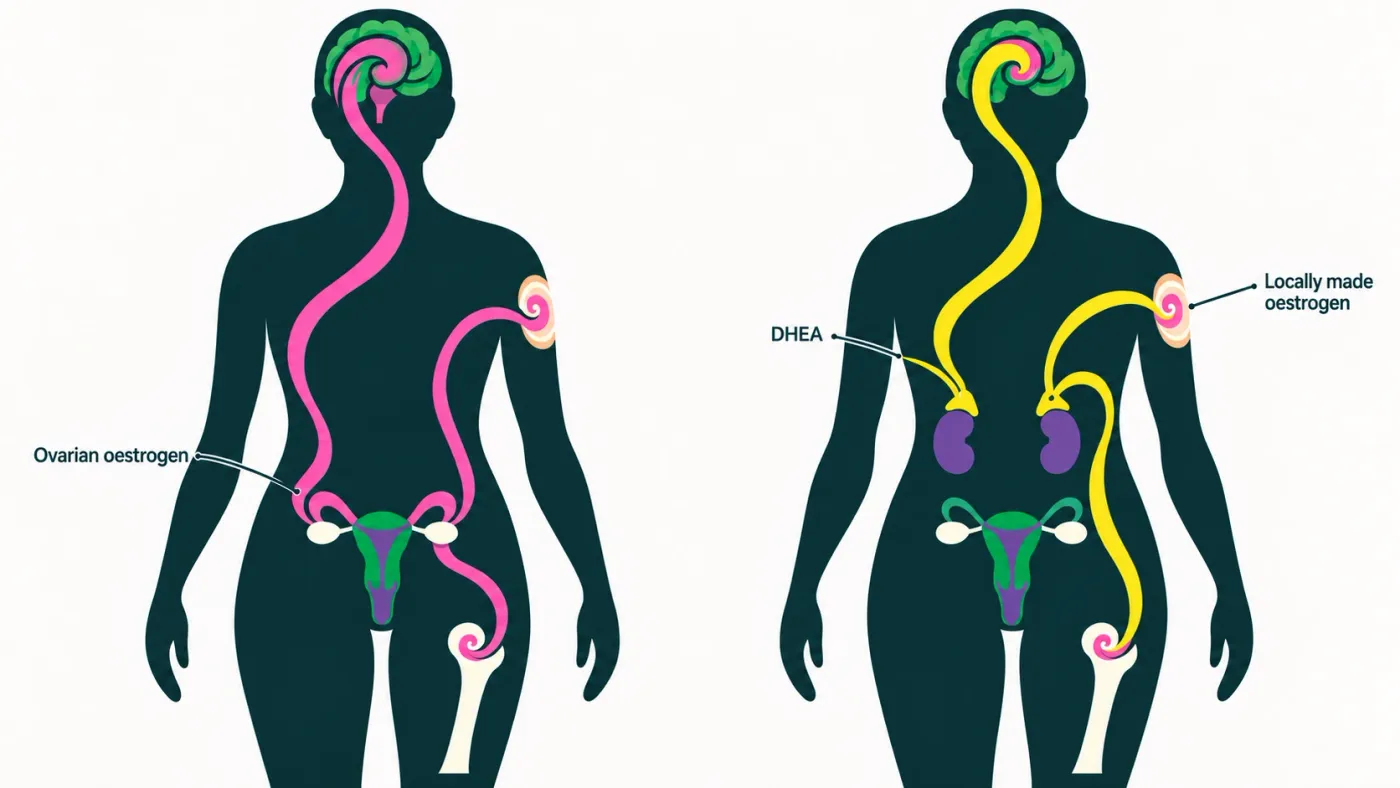
Oestrogen shift
Wake up without stiff joints, restore your skin's natural resilience, and heal delicate tissues from the inside out.
Oestrogen production moves from the ovaries to organs - brain, bones, vaginal tissues - built from adrenal DHEA. Each organ needs the right nutrients to make oestrogen and testosterone.
- Joint pain and morning stiffness
- Thinning, crepey skin
- Vaginal dryness and recurrent UTIs
- Losing muscle despite training

4 of 4Late perimenopause and menopause
Identity shift
Release chronic overwhelm and trade daily anxiety for clear boundaries and resilience.
Your nervous system reorganises. As oxytocin fades and cortisol rules, the old way of coping, absorbing everyone else’s strain, stops working, and something freer can take its place.
- Anger that is hard to place
- Losing patience with old roles
- Withdrawal that surprises you
- Carrying everything, and no longer willing to
Results from women who chose the natural route
Case studies with full histories, test results, protocols and progress, step by step.
85%fewer symptoms in 8 weeks
Linda, 59: brain fog cleared
Linda arrived with severe brain fog and low energy affecting her work and daily life. We mapped her metabolic patterns, addressed insulin and liver function, and built a brain-fuel protocol. By week 8 her energy was back and the fog had cleared.
“I finally have a roadmap. For the first time in years, I know what my body needs, and why.”Read Linda’s case study

80%fewer symptoms in 4 weeks
Helen, 48: off HRT and feeling better than ever
Helen had already tried HRT and her hot flushes and night sweats were severe. We worked on the metabolic and inflammatory roots of her symptoms. By week 4 they were down 80%, she came off HRT without any problems, and she has stayed very well without it.
“I was told there was nothing else to try. There was.”Read Helen’s case study

Why this actually works (even if nothing else has)
If you have already spent hundreds of pounds on random vitamins, menopause books, or quick-fix supplements that promised the world and delivered nothing, you are right to be cautious.
These approaches fail because they treat peri/menopause as a generic guessing game. My approach is entirely different because it replaces guesswork with precise, molecular-level data - and leaves no room for locked-in, high-risk financial packages.
80blood test markers direct your health optimisation plan
Red and white blood cells, platelets, sex hormones, cortisol, thyroid, inflammation, iron, lipids, blood sugar, liver, kidneys, proteins, vitamins, minerals and enzymes, read together as one picture.
What do we look at? See the full 80-marker panel breakdown
Red blood cells Haematocrit Haemoglobin MCH MCHC MCV RDW-CV Red blood cells (RBC)
White blood cells White blood cells (WBC) Neutrophils (count) Neutrophils (%) Lymphocytes (count) Lymphocytes (%) Monocytes (count) Monocytes (%) Eosinophils (count) Eosinophils (%) Basophils (count) Basophils (%) Neutrophil to lymphocyte ratio Monocyte to lymphocyte ratio
Platelets Platelets Mean platelet volume (MPV) Platelet to lymphocyte ratio
Sex hormones Oestradiol (E2) Progesterone Testosterone FSH LH Prolactin SHBG Free androgen index DHEA-S
Stress hormone Cortisol
Thyroid TSH Free T4 Free T3 Total T4 Free T3 to free T4 ratio TPO antibodies Thyroglobulin antibodies
Inflammation CRP hs-CRP LDL to HDL ratio Monocyte to HDL ratio
Iron Iron Ferritin Total iron binding capacity Transferrin saturation
Lipids Total cholesterol HDL cholesterol LDL cholesterol Non-HDL cholesterol VLDL cholesterol Triglycerides Total cholesterol to HDL ratio Triglyceride to HDL ratio
Blood sugar Glucose HbA1c Estimated average glucose Triglyceride-glucose index
Liver ALT ALP GGT Total bilirubin
Kidneys Creatinine eGFR Urea Urea to creatinine ratio
Proteins Total protein Albumin Globulin Albumin to globulin ratio
Vitamins Vitamin D Vitamin B12 Active B12 Folate
Minerals Magnesium
Metabolic Creatine kinase (CK) Uric acid
Enzymes Alpha-amylase
Symptoms and conditions I work with every day
Most women come to me with several at once, often treated separately by different specialists, with no one connecting the dots. Seen together, they tell a story about what your body is going through.
Early perimenopause
- Heavy periods, flooding and clotsHeavy and flooding periods in early perimenopause occur because anovulatory cycles allow the womb lining – the endometrium – to thicken without progesterone to provide the scaffolding. When that lining sheds as a period, the bleed is heavier, longer and more chaotic. The solution is to remove excess oestrogen via liver detoxification.
- AnxietyAnxiety and worsening ADHD in early perimenopause are driven by a biochemical traffic jam. As progesterone drops and heavy bleeding drains iron, chaotic oestrogen spikes actively suppress the COMT enzyme, trapping adrenaline in your body. This hormonal bottleneck happens to everyone, but having a genetic Slow COMT variant makes it significantly worse by amplifying the panic and shattering focus. You can clear this backlog and reclaim calm by using magnesium, choline and targeted dietary shifts.
- BloatingBloating appears because the gut is exquisitely sensitive to progesterone loss – as anovulatory cycles increase, gut transit slows, gas accumulates, and mast cell reactivity in the gut wall drives histamine-mediated distension. This hormonal gut disruption responds to addressing excess oestrogen to balance progesterone loss.
- Sore breastsBreast tenderness in early perimenopause is caused by the Progesterone Shift: oestrogen continues stimulating breast tissue while progesterone – normally produced after ovulation to moderate that effect – is absent or insufficient, producing swelling, heaviness and sensitivity worst in the week before your period. Addressing the oestrogen dominance through the Progesterone Shift protocol is what resolves it.
- Itchy skinExcess oestrogen releases excess histamine into your tissues. This sudden histamine spike can cause unexplained itching, flushing and hives. Some women experience a prickly sensation, “pins and needles”, or a feeling like something is crawling on the skin rather than a standard itch.
Complex conditions
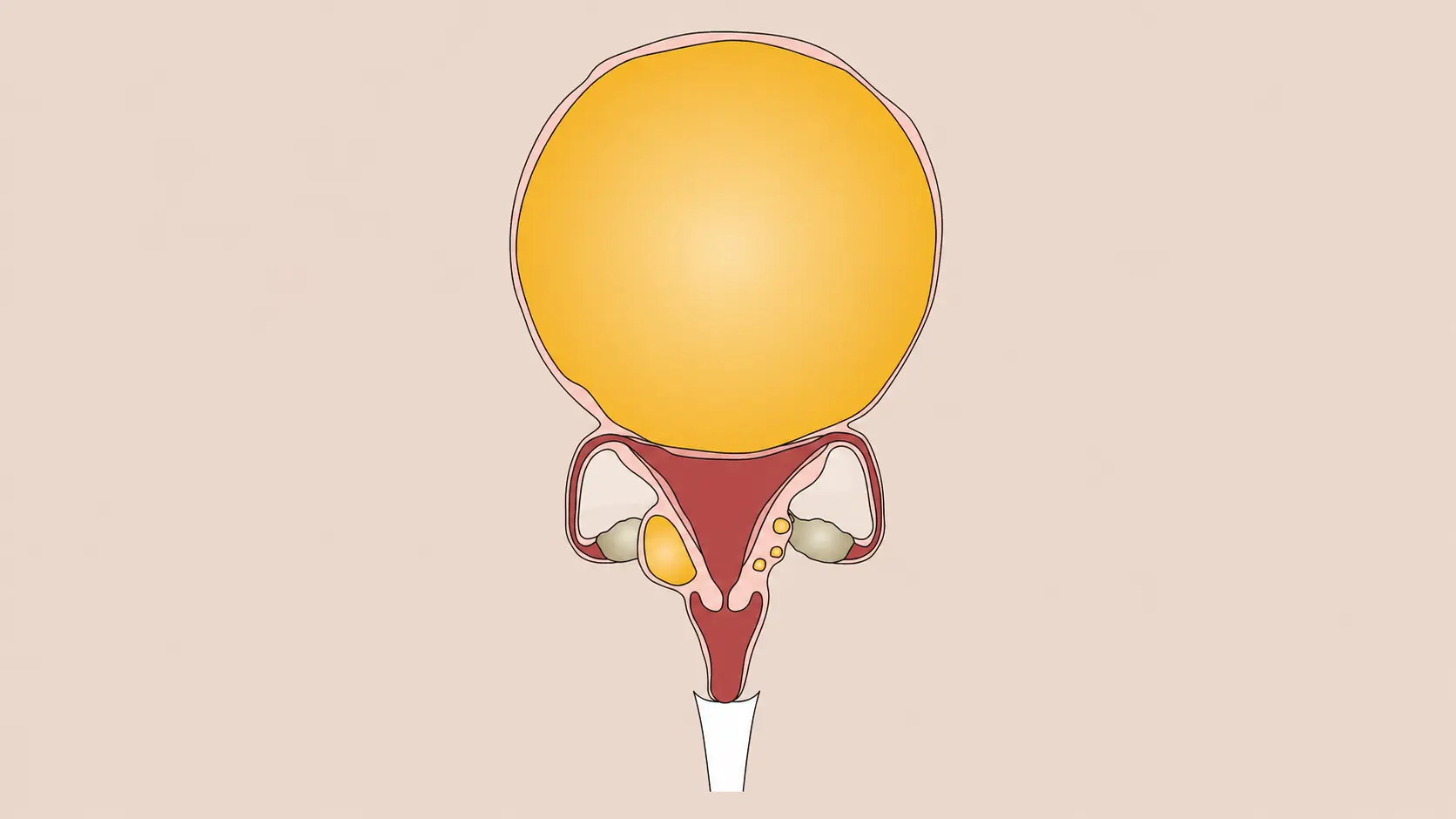
- FibroidsFibroids feed on oestrogen — and early perimenopause is when oestrogen runs highest and least opposed. As ovulation skips and progesterone crashes (the Progesterone Shift), oestrogen dominates, and the growth it drives is amplified by anything that raises oxidative stress in the uterus or slows your ability to clear oestrogen: insulin, alcohol, a struggling gut, low vitamin D and the Slow COMT gene. Most of those drivers are identifiable and addressable.
- EndometriosisWhen two oestrogen-driven conditions meet, the result is not relief — it is amplification. The Progesterone Shift lands on lesion tissue that already produces its own oestrogen via local aromatase and is structurally resistant to progesterone — a double hit to the same imbalanced hormonal axis. For many women, perimenopause is the hardest chapter of the disease, and navigating it requires clinical support that addresses the hormonal terrain.
- AdenomyosisEarly perimenopause worsens adenomyosis because erratic hormonal fluctuations trigger high spikes in oestrogen without enough progesterone to balance it. This “oestrogen dominance” directly stimulates the displaced endometrial tissue inside the uterine wall, causing it to swell and inflame. Combined with the increasingly irregular, heavier and more frequent menstrual cycles typical of early perimenopause, the uterus is forced to contract against stiff, inflamed muscle tissue, leading to significantly worse pelvic pain, debilitating cramps and severe bleeding.
- PCOSWhat was once an evolutionary survival benefit is now causing havoc due to high testosterone driven by sugar and insulin. Intermittent periods, acne, weight gain and unwanted hair can improve in early perimenopause, but get worse in late perimenopause when dropping oestrogen magnifies insulin resistance.
- PMDDPremenstrual Dysphoric Disorder causes severe irritability, depression or anxiety in the week or two before the menstrual cycle starts. Because women with PMDD are hyper-sensitive to normal hormonal shifts, the unpredictable midlife hormonal rollercoaster triggers severe anxiety, rage and depressive symptoms more frequently, stretching the suffering across unpredictable parts of the cycle.
Late perimenopause and menopause
- Brain fogBrain fog — losing words, forgetting why you walked into a room, reading the same line three times — has a specific, physical cause: the brain running short of the energy it needs for you to think clearly. As ovarian oestrogen declines, it takes with it the ability to use sugar for energy — if you’re not burning fat, you will experience a severe energy deficiency.
- Fatigue and energy crashes
- Anxiety and mood swings
- 3am waking
- Hot flushes and night sweatsNot every woman gets hot flushes, even with the same fall in oestrogen — and that is the clue to what actually drives them. A flush is produced by the brain’s temperature centre, but what sets that centre firing is the shift in oestrogen together with the brain’s fuel and stress state. Here is the science underneath hot flushes, and what brings them down.
- Weight gain and meno-belly
- Joint painWaking up with stiff, painful joints in menopause? Discover the real root cause of menopause joint stiffness and how to reverse it without an HRT prescription.
- Vaginal dryness and recurrent UTIsGenitourinary Syndrome of Menopause (GSM) isn’t a hormonal deficiency — it’s a progressive tissue and circulatory breakdown affecting up to 84% of women. By understanding how to protect the microbiome and intracrinology — how oestrogen can be made in the vaginal tissues — you can activate the body’s natural adrenal pathways to heal pelvic tissue from the inside out, completely independent of hormone prescriptions.
- Bone health
- Heart health

Wherever you are with HRT, I'll meet you there
HRT lays oestrogen over a transition that is already under way. In some women it relieves some symptoms. In many, it pauses or distorts the change the body was trying to complete.

You can go through peri/menopause without HRT
Whether your reasons are medical or personal, there is real work we can do first: nutrition, gut health, stress physiology and targeted supplements. With root-cause care, HRT doesn't have to be the default, and you can feel vibrant and confident in your health without it.
Menopause without HRT: how to come through it well
Why isn't my HRT working?
HRT is in place, but your symptoms haven't resolved or the side effects are too much. Coming off well is a process, not an event, and stopping suddenly can cause more problems. We prepare your body first, then plan a gradual step-down together.
Your HRT is not working and you want to come off
Why have my symptoms come back after stopping HRT?
Coming off, by choice or necessity, can feel like the ground moving twice. I can help your body find its own footing, so you can move forward in health and confidence.
You’ve come off HRT and are strugglingCurious about your symptom pattern?
You've spent long enough treating these as separate problems. My 68-symptom quiz shows how they connect.

Where you are in the transition
Early perimenopause, late perimenopause or postmenopause.
What is draining your energy
How blood sugar, cortisol and thyroid function affect your energy and the hormones available to you.
Why your symptoms make patterns
And what those patterns reveal about the systems struggling to adapt.
Why some things helped and others didn't
And why the effects may not have lasted.
What to look into next
Clear next steps, whatever you decide to do.
Are you taking any hormones?
HRT, the contraceptive pill, a Mirena coil, Letrozole and hysterectomy can change the symptom patterns the quiz reads.
“I felt better within a week, and 3 weeks later all my symptoms were almost gone. I came off HRT and my vitality is back. Transformative!”
- 100+women supported
- 10+years in clinical practice
- 4weeks to first results
- 1:1every consultation
- I now understand and can control the flushes! And I have shifted 16lbs and feel better than ever.
- I couldn’t believe how Sandra resolved my vaginal dryness so quickly and easily.
- I have lost 2 stone, and haven’t had a migraine for 11 weeks! That has not happened since I was 15.
- Within just a week I was feeling much healthier, clearer headed, and energised.
- Menopausal symptoms can be resolved, there are many roads. I am eternally grateful as now I know how to take care of my health.
- I’d recommend it to any woman, not as a diet, but as a way of rethinking how your body works and how to fuel it properly.
- I was amazed at how quickly my weight started dropping and soon my migraines all but disappeared.
“Having guidance that doesn’t automatically lead to HRT, but instead looks at the whole picture of health, has been incredibly valuable.”
“Thank you Sandra. You have helped me get back in control of my life. No exaggeration. This has set me on a course for health for the rest of my life.”
“Absolutely mind-blowingly good. Patient, responsive, open, thoughtful. I’ve already suggested my daughters talk to her.”
Start with a free strategy call and feel better within 4 weeks
Tell me what has been happening and what you most want help with, and we'll put together a strategy to get your energy, mind and vitality back.
Book your free strategy call
A 30-minute phone call. We go through your symptoms, you get my first read on the root causes, and we see if this approach suits you.
Get your personal plan
A 90-minute deep dive into your biology, plus functional testing, maps out your nutrition, supplement and lifestyle protocol.
Feel the difference within 4 weeks
Most women notice changes in energy, clarity and pain within 4 weeks, while we build long-term resilience for your brain, bones and heart.
On your free strategy call you will
- Understand why you have your symptom pattern
- See what testing and support could look like for you
- Ask anything, with no commitment and no pressure
- Leave with clear next steps
Calls Tuesday to Thursday, 8 to 10am and 2 to 5pm (UK time). 30 minutes, free, by phone.
Choose a time for your free call
Questions women
ask me
From the knowledge hub
Understand what your body is doing
 Early perimenopauseSugar feeds oestrogen and turns bleeding into floodingRead
 Oestrogen shiftRoot causes of vaginal dryness and Genitourinary Syndrome of Menopause (GSM)Read
 Oestrogen shiftReverse Perimenopause Joint Pain Naturally (Without HRT)Read
 HRTSymptoms After Stopping HRT — and How to Come Off WellRead
 HRTMenopause Without HRT: How to Come Through It WellRead
 HRTWhy HRT is not working and what you are missingRead
 Complex conditionsFibroids in Perimenopause: Why They Grow and What Drives YoursRead
 Energy shiftWhy You Have Hot Flushes — and How to Calm ThemRead